
Print mode
Use your browser's Print dialog and choose “Save as PDF”, landscape, no margins.

Investor overview · Planned pre-seed relaunch round
SpaceFile on SovereignSky, powered by SuperFile.
Resilient financial infrastructure for communities operating beyond reliable banking and connectivity — built on hosted commercial satellite capacity.
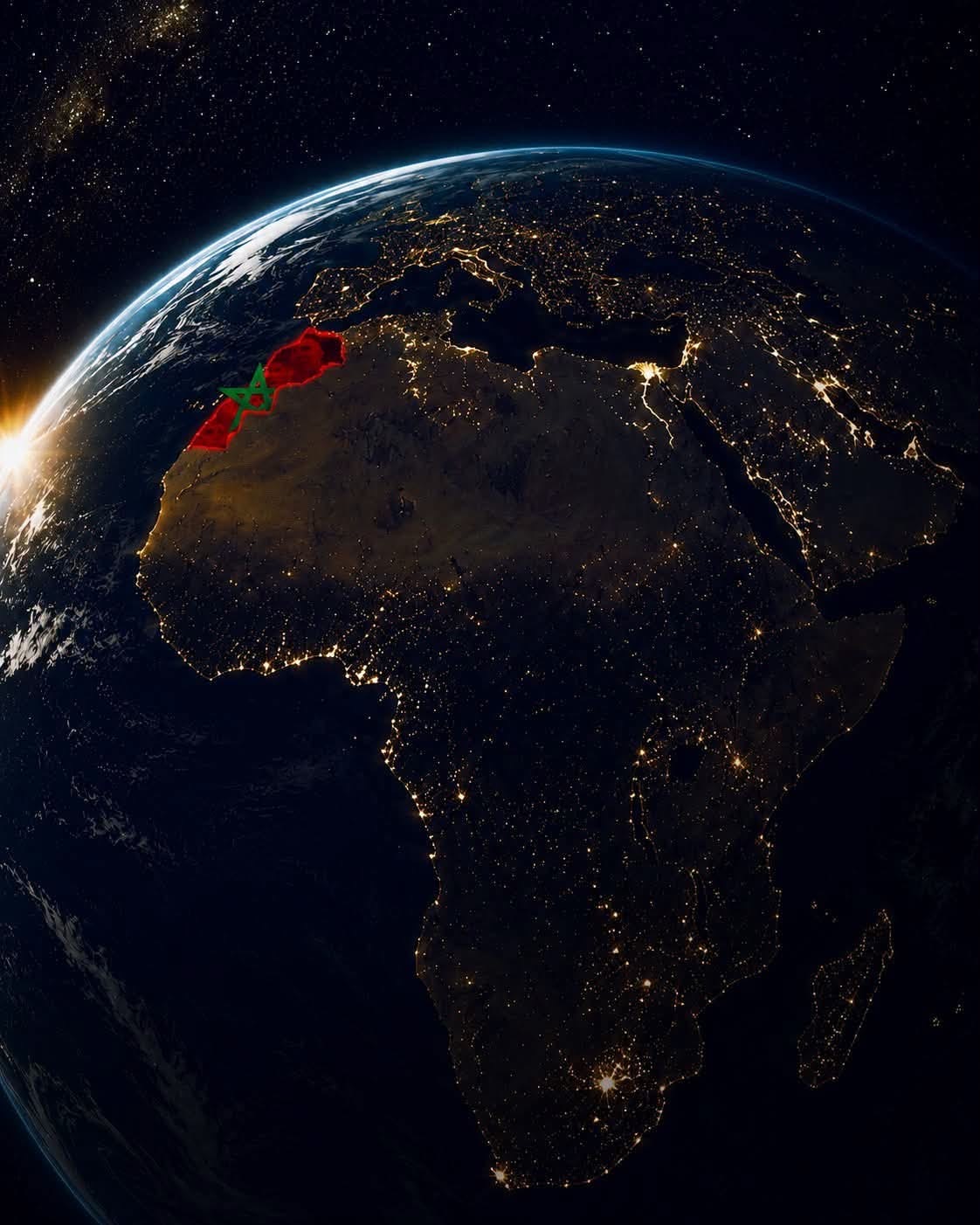
Billions of people are locked out of money itself.
1.3B
adults with no financial account
79% of adults have an account — roughly one in five do not. Global Findex 2025.
2.2B
people still offline
Almost three-quarters of humanity is online; progress is decelerating. ITU.
6.36%
average cost to send money home
More than double the UN's 3% target for 2030. World Bank RPW, Q3 2025.
The exclusion is not a product gap. Where the grid, the bank and the network never arrived, value has no way to travel — and the cost of trying is paid by the poorest senders and recipients on Earth.

13 December 2020 · aboard AprizeSat-5
We did not write about doing it. We did it, then wrote about it.
One of the first blockchain transactions ever signed in space — verified byte for byte against the ground checksum by SpaceQuest.
Flight heritage
Signed on an operating satellite with a commercial partner, not on a testbench.
Independent record
Covered by RUON AI and Sologenic; primary sources published on the Press page.
Documented
The architecture is documented in published application WO2021030288A1 — now ceased, never granted.
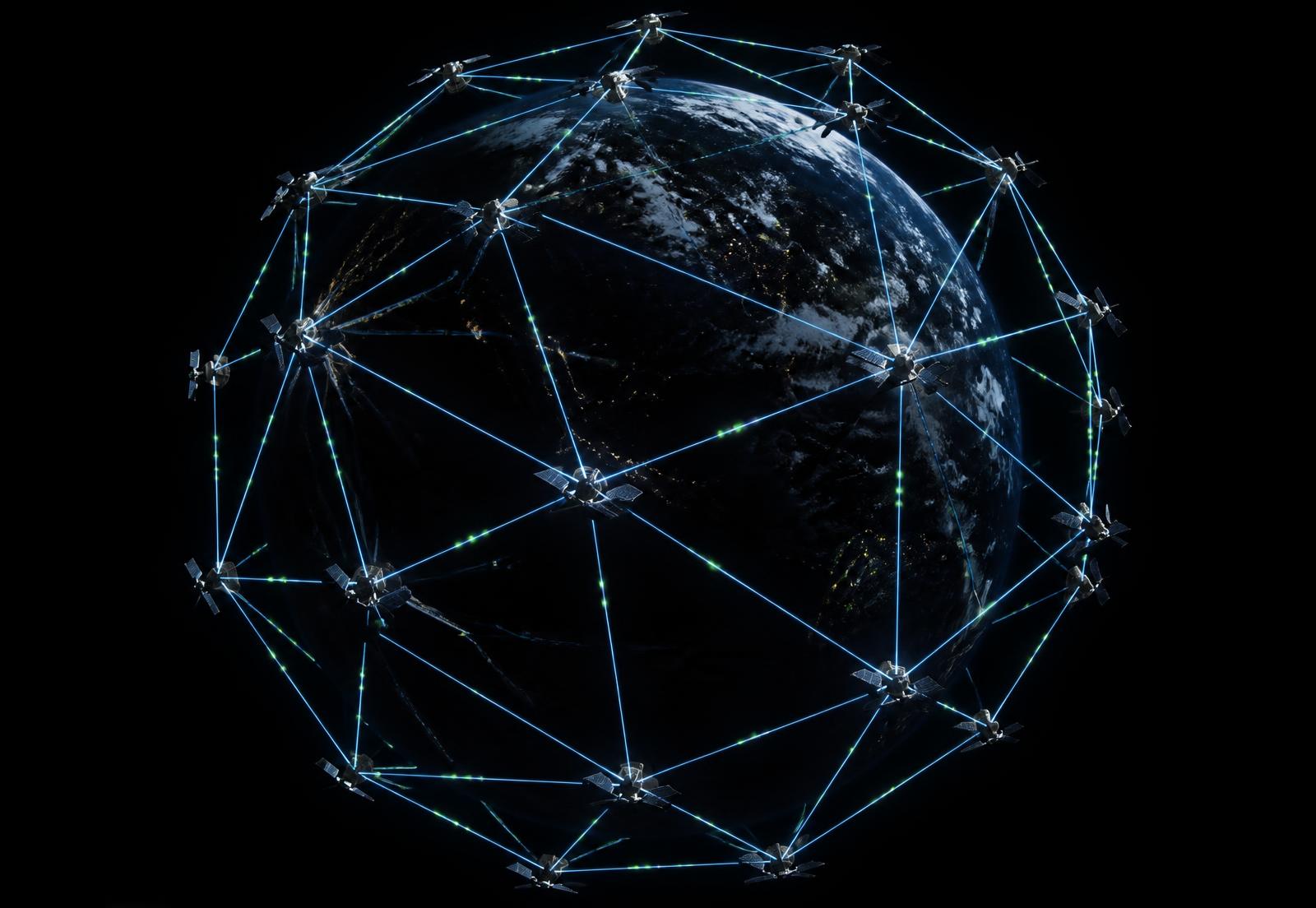
A financial system that cannot be switched off.
Settlement, proof and identity held above the ground — independent of any single jurisdiction, data centre or power grid.
Resilient by construction
Designed to keep clearing through blackout, conflict, censorship, cyclone and terrestrial infrastructure failure.
Sovereign-independent proof
Every aid receipt and identity claim anchored to a ledger no government can quietly rewrite.
Last-mile reach
Solar Community Connectivity Boxes and satellite passes deliver service where no terrestrial network exists.
One platform, six layers
Cloud, Identity, AI, Pay, Connect and Space — SuperFile's Earth-to-Space Digital Infrastructure.
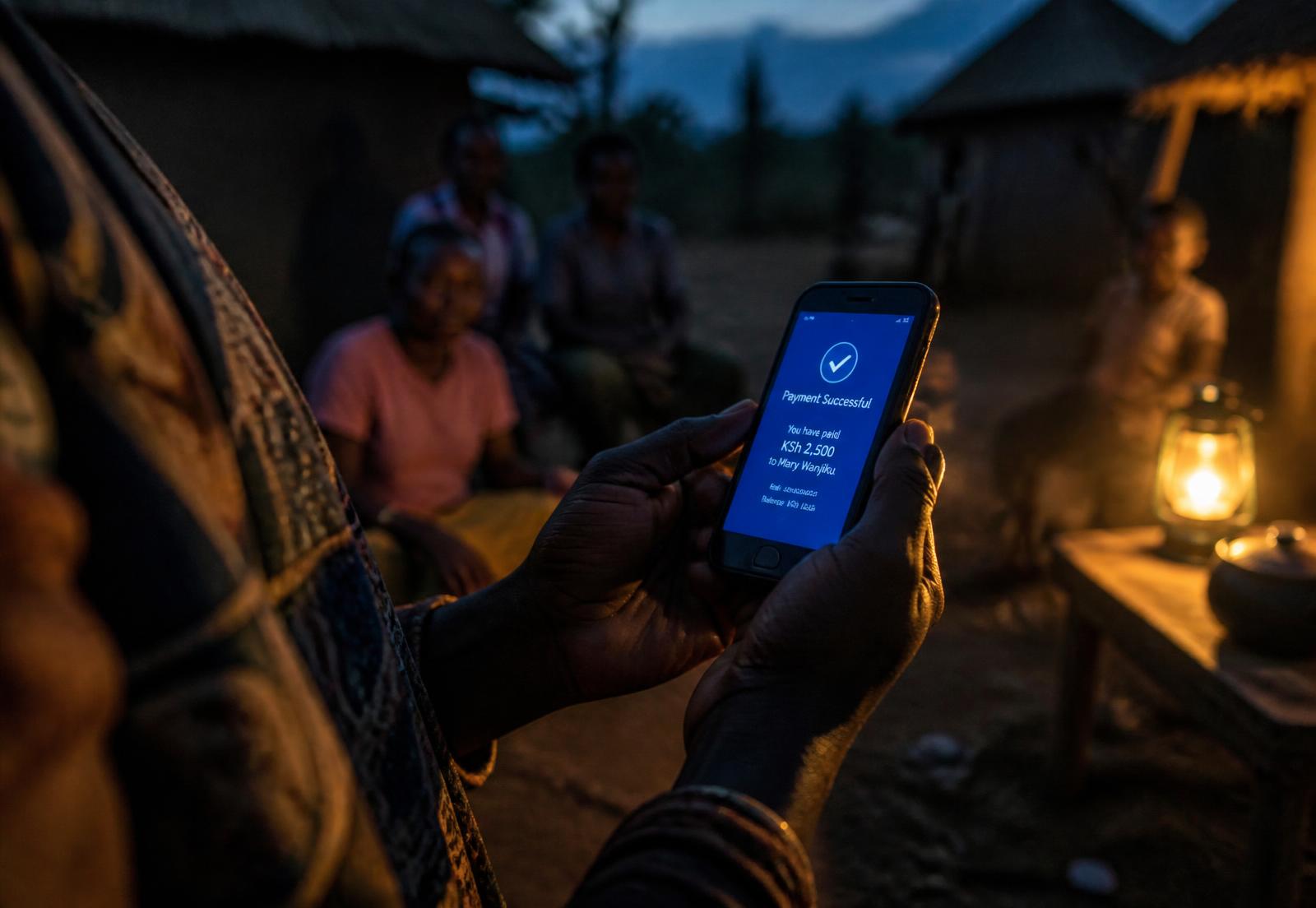
From a donor's phone to a smart card in a village — no bank in between.
- 01
Choose a recipient, not a bucket
In the SpaceFile App a giver picks a named clinic, orphanage or family — not an anonymous fund.
- 02
Settle above the ground
Ledger nodes in orbit carry and confirm the transaction, sidestepping correspondent banking and local outages.
- 03
Land in a connectivity box
Each site holds a SpaceFile wallet that syncs on every satellite pass — at least twice a day anywhere on Earth.
- 04
Spend it as money
A linked smart card buys medicine, food and school supplies, with a target of 97.5% or better reaching the recipient.
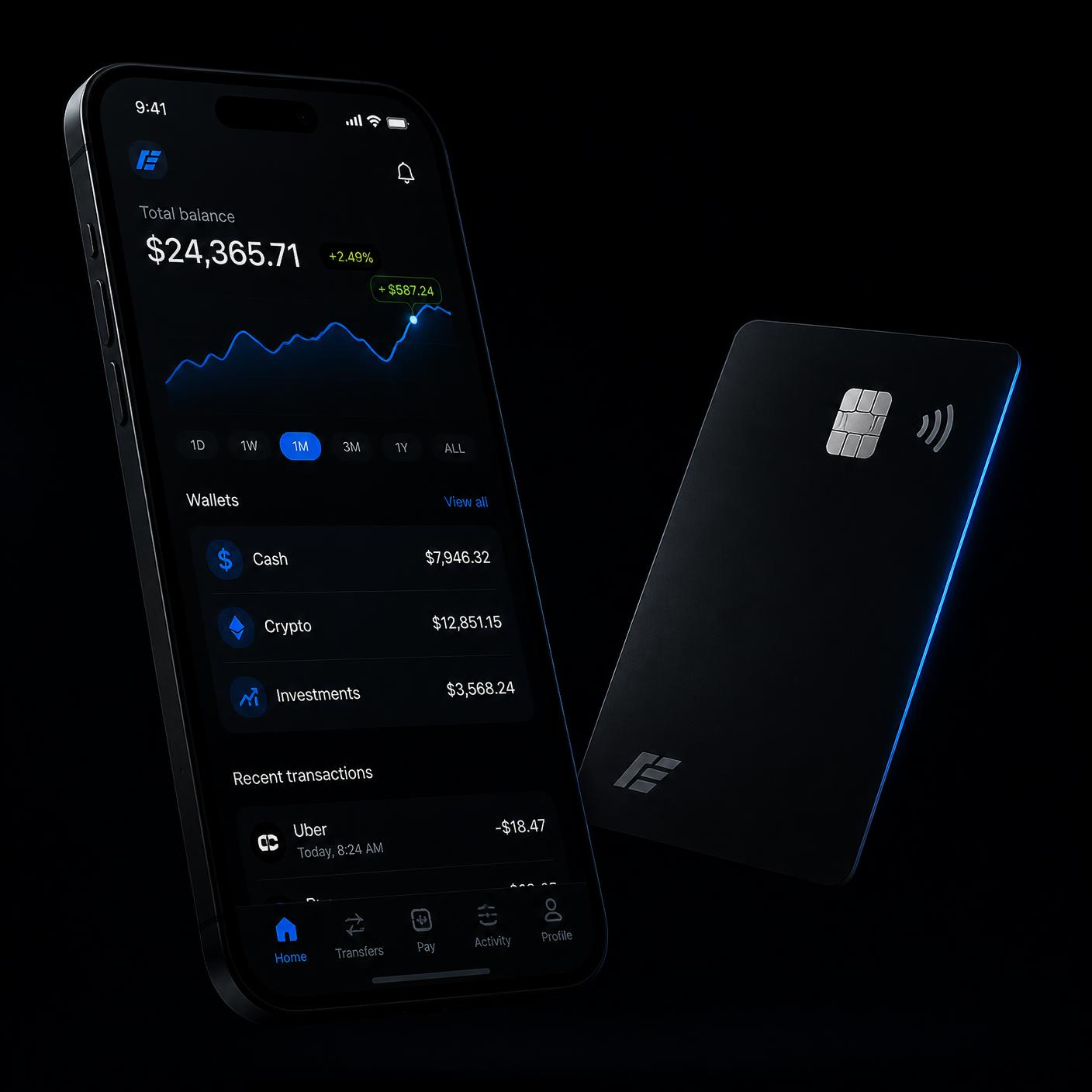
SpaceFile App · formerly RUON
The wallet at the end of the pass.
Wallet and card
Hold value, receive aid and spend on a linked smart card wherever cards are accepted.
Offline by design
Queue locally, reconcile on the next satellite contact — no continuous connectivity assumed.
Partner-settled value
Value moves through licensed disbursement partners. Any token structure is deferred until the legal and regulatory position is settled — see the appendix.
Proof of spend
Every disbursement verifiable on the orbital ledger instead of asserted in an annual report.
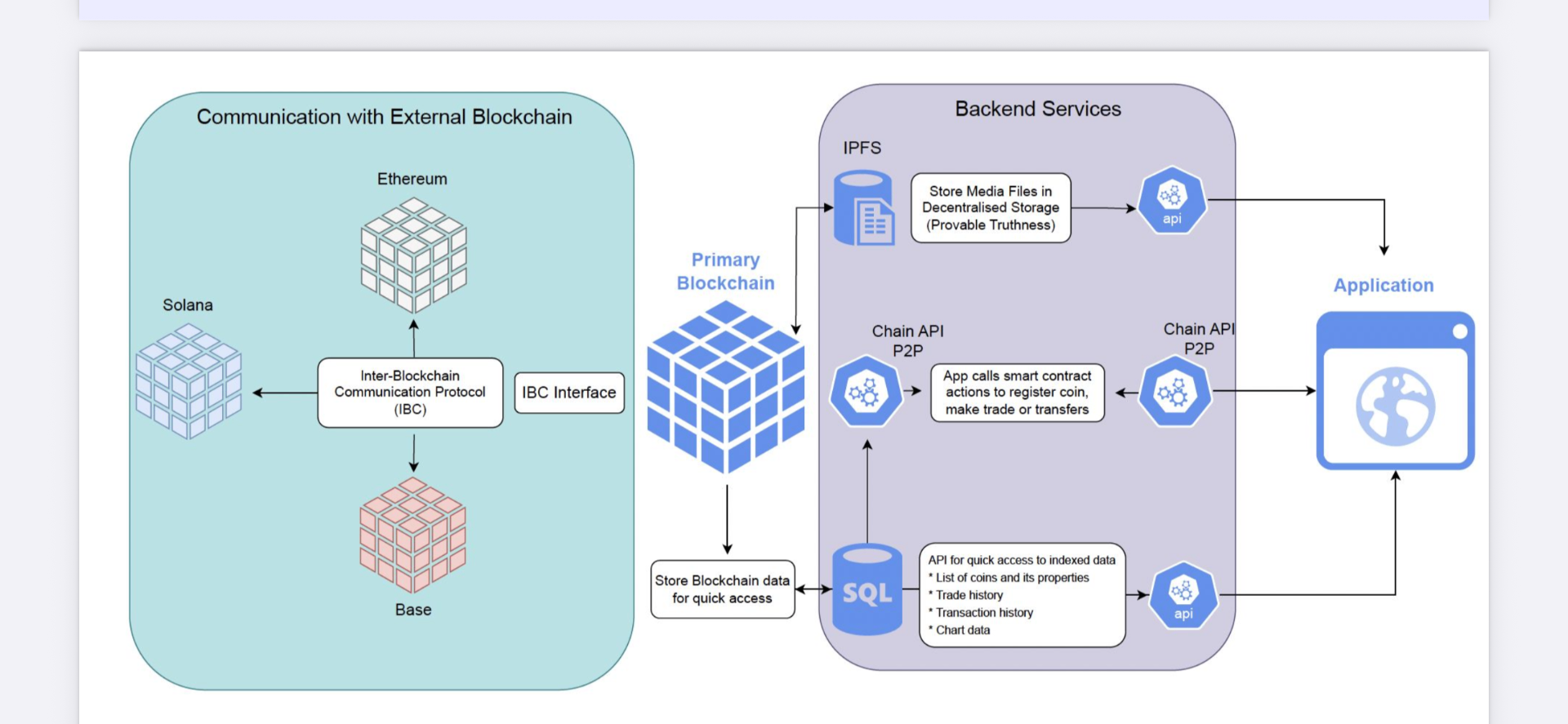
A ledger sized to fit a 10-watt payload.
5,000
tx/s sustained
17,000 tx/s burst design throughput.
10 W
orbit-average node power
18 W peak, duty-cycled.
256
GB storage per node
Checkpoint chain plus 7-day replay window.
8
nodes for BFT quorum
Across independent buses and operators.
Anchoring load is ~75 kB/s at 5% of design throughput — a single S-band link carries the whole orbital relay with margin. The full archive lives in SuperFile Cloud; orbit holds the proof.
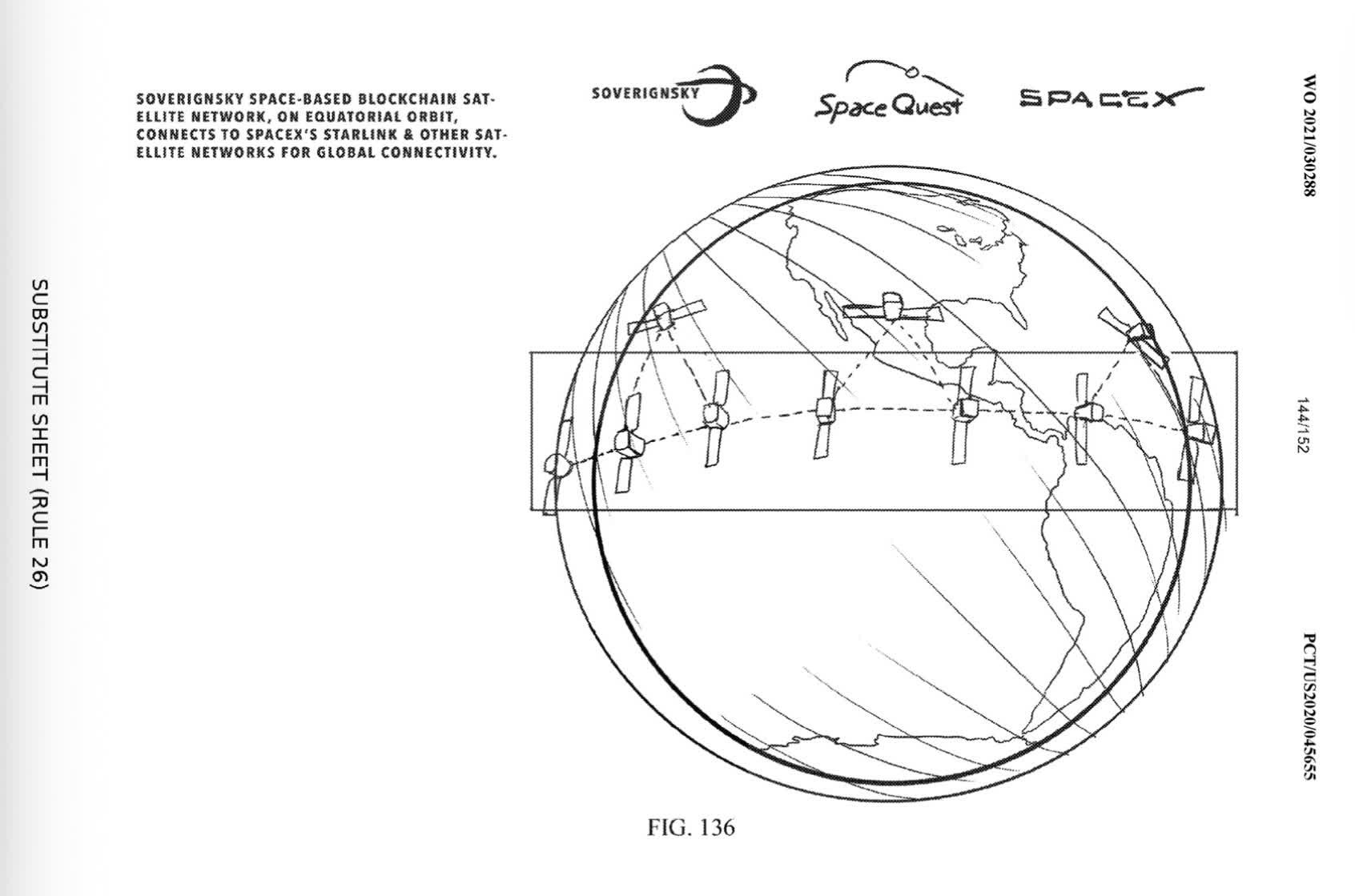
Published, dated, and 365 pages deep.
WO2021030288A1
Published international application describing the space-based ledger architecture. Ceased; not granted.
Node and mesh topology
Satellite ledger nodes, inter-satellite relay and ground anchoring as published figures.
Ground segment
Connectivity boxes, handsets and card rails described as part of the same system.
The original architecture is documented in a 365-page international patent application published in 2021, naming Timothy E. Burke as inventor. The historical application, WO2021030288A1, is now ceased and was not granted as an active patent.
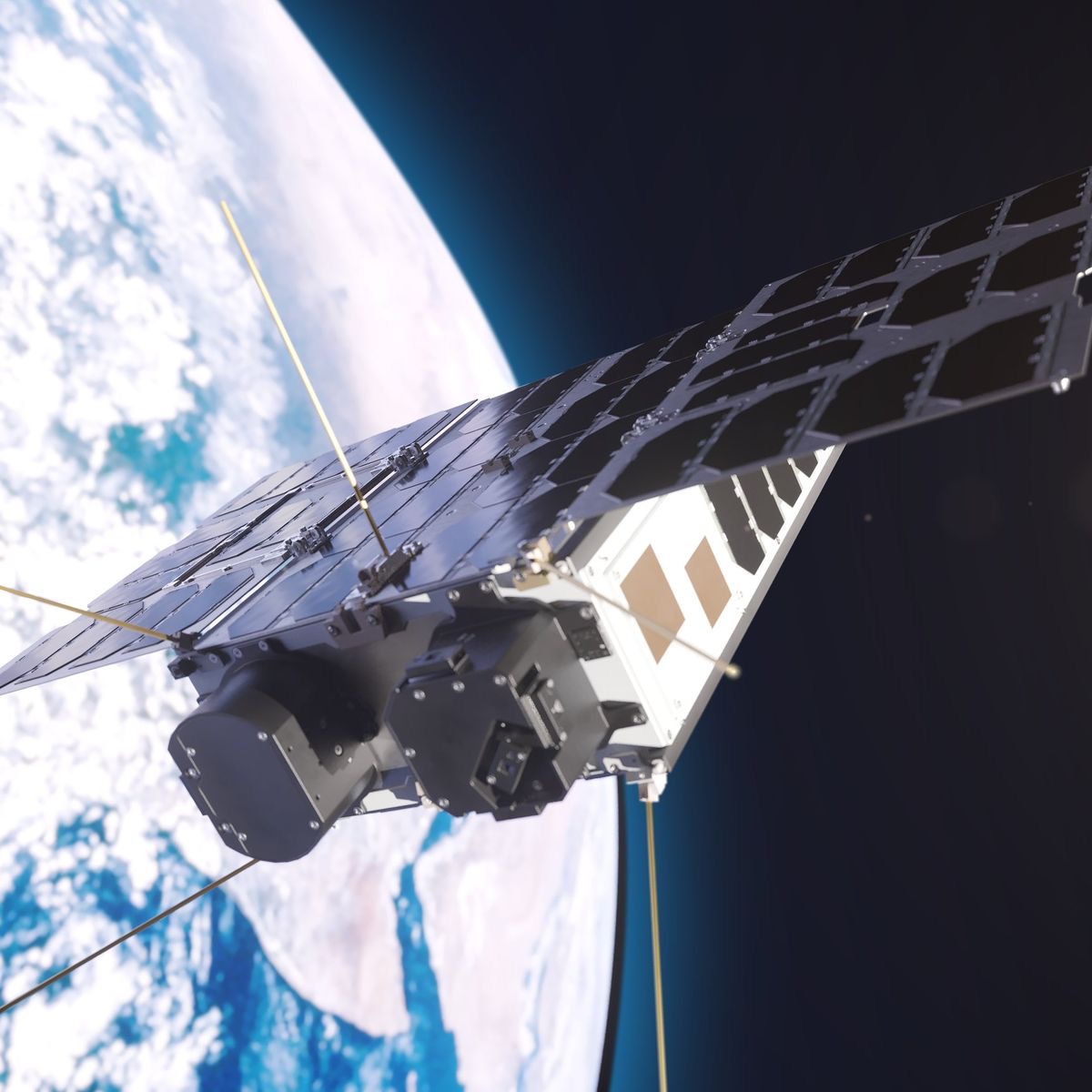
Buy capacity first. Build only what we must.
The first nodes are software on satellites that already fly — no launch on the critical path.
Hosted payloads
Space-as-a-service slots (e.g. Spire) fit the 10 W node with nothing to launch — the cheapest credible first node.
Rideshare and third-party buses
Standardised buses from suppliers such as EnduroSat and Loft Orbital host 1–5 nodes each.
Ground stations as a service
Contracted contact time instead of owned antennas; 12–16 contacts a day at an equatorial site.
Six revenue lines riding one fixed asset base.
Aid settlement fee
Basis points on aid value routed to a verified wallet
Remittance spread
Per-corridor spread on stablecoin-settled transfers
Card interchange
Interchange on SpaceFile smart-card spend
Orbital notarisation
Metered price per anchored SuperFile record
Connectivity and compute
Subscription per box, per inference job
Data and parametric products
Licensed risk signals and index-triggered payouts
Cost to serve falls roughly 70% at scale-up and up to 97% at maturity as the same satellites carry every account added — full assumptions on the Economics page.
Four pools of spend, one set of rails underneath them.
$685B
remittances to low- and middle-income countries
2024 estimate, World Bank / KNOMAD.
$223B
official development assistance and humanitarian aid
2023 ODA, OECD DAC.
$1.3B
adults still without an account
The addressable customer base, Global Findex 2025.
2.2B
people offline
Connectivity and compute demand, ITU.
We do not need a share of all of it. Serviceable market is the slice of aid and remittance flow into low-connectivity geographies where our rails are the cheapest credible route.
Market sizes are published third-party figures; our share of them is not yet proven.
How the revenue compounds once the rails exist.
Years 1–2
Contracted pilots
Cloud, identity and notarisation revenue from institutional contracts. Aid pilots in two corridors. Revenue in the low single-digit millions.
Years 3–4
Rails at volume
Licensed corridors plus card interchange. Revenue scales with disbursed value, not headcount — gross margin expands as the asset base stays fixed.
Years 5+
Orbital utility
Notarisation, connectivity and orbital inference sold as metered infrastructure to third parties, on top of the payments book.
~1%
take rate target on routed value
Versus a 6.36% average remittance cost today.
97.5%
target reaching the recipient
The number the aid product is sold on.
-97%
cost to serve at maturity
Same satellites carry every account added.
Illustrative model, not a forecast. Built from published market data and the unit assumptions on the Economics and Capacity pages; every figure is open to diligence.
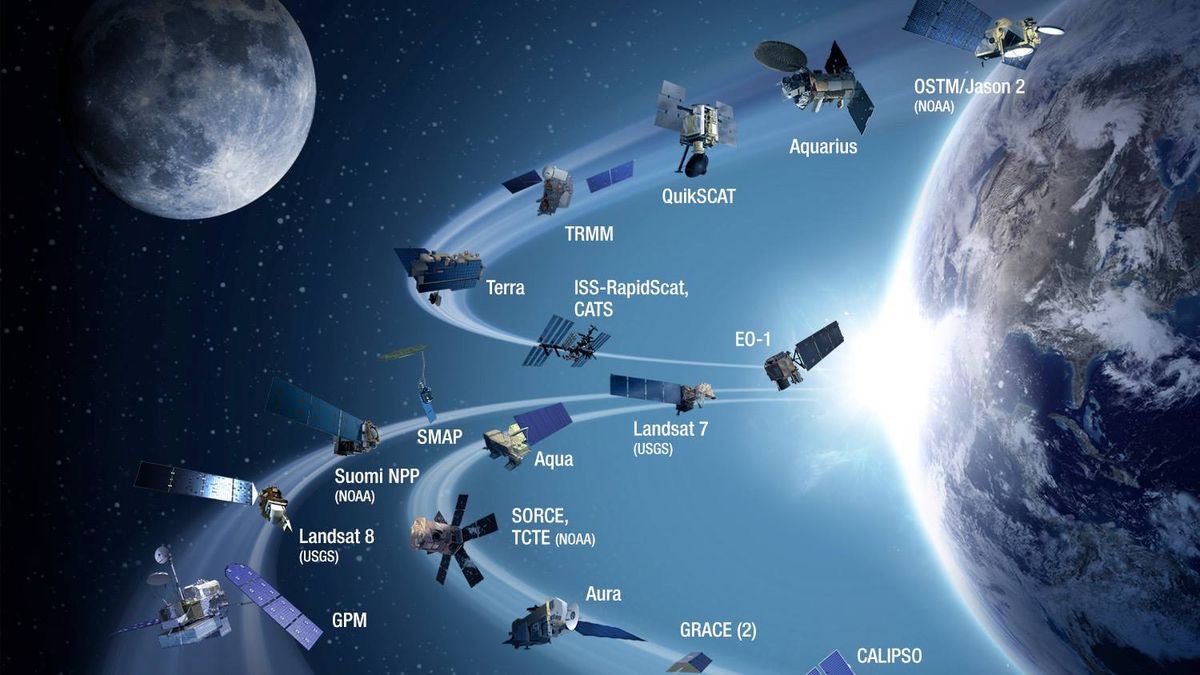
What exists today
Proven, built, contracted, planned.
Proven
A blockchain transaction signed on an operating satellite in December 2020, verified against the ground checksum by SpaceQuest.
Built
The historical RUON app and ground software, plus the 365-page published architecture document and figure set.
Contracted
Nothing yet. No signed satellite, disbursement or pilot contract is in place, and there is no current revenue.
Planned
SpaceFile Inc. formation, platform rebuild, hosted-capacity feasibility, pilot LOIs and a hosted orbital demonstration.
Everything below the “Built” line is an intention, not an achievement. The original architecture is documented in a 365-page international patent application published in 2021, naming Timothy E. Burke as inventor. The historical application, WO2021030288A1, is now ceased and was not granted as an active patent.
Revenue, customers and partners — separated.
$0
current revenue
No trading revenue. The company is pre-formation and pre-product.
0
signed customers
No paid contracts today.
0
signed LOIs or MOUs
Securing the first aerospace LOI is a Phase 3 milestone.
Early
prospective partners
Hosted-capacity and disbursement providers identified, none engaged contractually.
Suppliers named anywhere in this deck — hosted-payload, bus and ground-station providers — are commercially available options under evaluation, not partners of SpaceFile.

Founder-led, with the key hires funded by this round.
Founder
Timothy E. Burke
Inventor named on the 2021 published application; led the 2020 orbital signature programme and the RUON platform.
Historical collaborators
2020 programme
Stan Larimer and Michael Taggart contributed to the original SovereignSky work. No current executive, employee or adviser agreement is in place.
Currently in discussion
Advisory bench
Conversations open with space-systems, payments and regulatory candidates. None are presented as confirmed until signed.
Technical leadership
CTO / chief architect — distributed ledgers and constrained embedded systems. Recruited in Phase 1.
Payments and regulatory
Money-transmission and compliance lead — licensing route, KYC, sanctions and travel rule. Recruited in Phase 1–2.
Space systems
Mission-integration lead — hosted payloads, ground segment and provider qualification. Recruited in Phase 2.
Roles above are open positions funded by this round, not filled seats.
Why this is hard to copy.
Flight heritage, five years early
A signature in orbit in 2020. Competitors start at the beginning of that queue.
Published, dated IP
The 2021 published application documents the orbital ledger, mesh relay and ground segment as one system — prior art of record, not an active patent.
Distribution nobody else wants
Connectivity boxes and pass-based sync serve places incumbents write off as unserviceable.
A brand and a platform behind it
SuperFile supplies cloud, identity and AI so the orbital tier is an extension, not a cold start.
Planned pre-seed relaunch round
Raising $1.25 Million to Relaunch SpaceFile
An 18-month program to rebuild, validate and commercialize resilient financial infrastructure for communities operating beyond reliable banking and connectivity.
$1.25M
Round · pre-seed
Post-Money
SAFE structure
$12M
Proposed cap
~18 mo
Runway
Target initial close: $500,000
This is a capital-efficient relaunch round — not a proprietary satellite-launch budget. SpaceFile intends to use commercial and hosted satellite capacity to reduce capital requirements, development time and technical risk.
From historical orbital proof → to a validated commercial platform
Proposed terms are subject to SpaceFile Inc. formation, final legal documentation and investor agreement. A SAFE valuation cap is not a statement of the company's current valuation.
Capital deployment
Building the foundation for commercial validation
Establish the company, rebuild the platform, validate the architecture and secure the first commercial and aerospace partnerships.
Platform, prototype and engineering
$350,000 · 28%
Working SpaceFile platform, resilient transaction prototype and core architecture.
Hosted-capacity feasibility and integration
$225,000 · 18%
Satellite-partner evaluation, requirements, integration planning, ground testing, quotations.
Core team and recruitment
$200,000 · 16%
Technical leadership plus the small core team required to execute the relaunch.
Pilots and strategic partnerships
$150,000 · 12%
Pilots across aid, remittances, financial infrastructure and underserved connectivity.
Corporate, IP, legal and regulatory
$125,000 · 10%
Formation, capitalization, RUON asset review, legally available IP assignments, contracts.
Cloud, security and technical tools
$75,000 · 6%
Cloud infrastructure, cybersecurity, monitoring and testing environments.
Operations, insurance and travel
$75,000 · 6%
Essential operations, insurance and targeted partner or customer meetings.
Contingency reserve
$50,000 · 4%
Controlled reserve for unforeseen development and integration requirements.
Total planned use of funds
$1,250,000
The relaunch roadmap
What This Round Is Designed to Achieve
Phase 1 — Foundation
Months 0–3
- •Form SpaceFile Inc.
- •Establish the capitalization table
- •Review and consolidate relevant RUON assets and records
- •Complete legally available IP assignments
- •Recruit technical leadership
- •Formalize team and adviser agreements
Phase 2 — Rebuild
Months 3–6
- •Build the working ground-based prototype
- •Define the new platform architecture
- •Validate the resilient transaction workflow
- •Complete initial cybersecurity and regulatory review
- •Begin discussions with hosted-capacity providers
Phase 3 — Validate
Months 6–12
- •Independent technical architecture review
- •Demonstrate signing and verification under disrupted connectivity
- •Obtain a priced satellite-integration or hosted-capacity plan
- •Secure at least one aerospace or satellite-partner LOI or MOU
- •Secure two or more prospective pilot commitments
Phase 4 — Commercialize
Months 12–18
- •Begin the first paid or funded pilot
- •Demonstrate the platform to investors and strategic partners
- •Finalize the technical and commercial data room
- •Establish a contracted pathway toward a future hosted orbital demonstration
- •Prepare for the next institutional financing round
The objective is a validated, partner-backed business — not an unsupported promise to launch a proprietary satellite within 18 months.
Who is raising, on what terms.
Legal entity
SpaceFile is preparing to relaunch through a planned U.S. corporate structure, with SpaceFile Inc. intended to become the operating company. Until formation and documentation complete, the round is raised on the founder's undertaking to assign subscriptions into that entity.
IP ownership
The original architecture is documented in a 365-page international patent application published in 2021, naming Timothy E. Burke as inventor. The historical application, WO2021030288A1, is now ceased and was not granted as an active patent. Rights in remaining RUON assets and records sit with their historical holders; legally available assignments into SpaceFile Inc. are a Phase 1 milestone and have not yet been made.
Instrument and close
Post-money SAFE, $1.25M total, proposed $12M cap. Target initial close $500,000. Minimum investment $25,000, with smaller allocations at the founder's discretion.
Use of the initial tranche
The first $500,000 funds formation and capitalization, the RUON asset and IP review, technical leadership recruitment and the start of the platform prototype.
Terms are proposed and subject to formation, final legal documentation and investor agreement. Nothing here is an offer of securities.
The four risks, and what we do about them.
Regulatory
Money transmission is licensed per corridor. We partner with licensed disbursement institutions first and hold our own permissions later.
Space execution
No launch on the critical path. Nodes fly as software or hosted payloads on operating satellites from more than one supplier.
Adoption
Demand is contracted before hardware ships — institutional aid partners commit volume ahead of each connectivity-box tranche.
Capital
Tranched funding released on proven milestones, so a missed gate stops spend rather than compounding it.
Money for the poorest has to be auditable by anyone.
Proof of spend
Every disbursement anchored on the orbital ledger and readable by donors, regulators and auditors.
Compliance by design
KYC, sanctions screening and travel-rule data handled at the licensed partner boundary, not bolted on afterwards.
Independent oversight
Aid flows governed separately from commercial settlement, with published corridor reporting.
Team, advisers and named partners are listed on the site; sources and disclosures for every figure in this deck are published alongside them.

The settlement layer for everything humanity does off-planet.
Earth, resilient
Payments that keep clearing through outages, disasters and disrupted connectivity.
Orbit, commercial
Notarisation, connectivity and inference sold as metered orbital infrastructure.
Beyond
Space tourism and interplanetary missions need money that does not depend on a terrestrial bank being reachable.
Appendix · deferred
SovereignCoin and SovereignAid: historical design, on hold.
SovereignAid (historical design)
A restricted unit of account for humanitarian flow, described in the original architecture. Not issued, not offered.
SovereignCoin (historical design)
A settlement and network-fee unit in the original design. Not issued, not offered.
Position today
The relaunch plan settles value through licensed partners. Any token structure stays in the appendix until the legal and regulatory position is settled.
Nothing in this appendix is an offer, solicitation or commitment to issue any digital asset.

Planned pre-seed relaunch round
Resilient financial infrastructure, rebuilt on proven ground.
A verified 2020 orbital signature, a 365-page published architecture, and a hosted-capacity path that buys orbit instead of building it.
The ask
$1.25M pre-seed on a post-money SAFE, proposed $12M cap. Target initial close $500,000.
Next milestone
Form SpaceFile Inc., recruit technical leadership and stand up the ground prototype.
Contact
tim@spacefile.io · spacefile.io/deck
SpaceFile is currently opening conversations with strategic investors, aerospace partners, technical leaders and prospective pilot organizations. Any future public listing would be considered only after recurring commercial revenue and further institutional financing.