
Impact
The exclusion gap, in numbers that are current.
Every figure below is dated and linked to its primary source. Where our 2022 whitepaper used older estimates, these supersede them.
Where the world stands
Progress is real. The remainder is the hardest part.
Account ownership has climbed for a decade, yet the people still outside the system are the ones the system is worst at reaching: rural, low-income, disaster-exposed and often offline.
1.3B
Adults still without an account
79% of adults worldwide now have a financial account — leaving roughly one in five, about 1.3 billion adults, unbanked. Global Findex 2025, survey year 2024.
[1]831M
People in extreme poverty
About one in ten people live below $3.00 a day (2021 PPP), down from 2.3 billion in 1990 — but the decline has slowed sharply and is now concentrated in Sub-Saharan Africa and fragile states.
[2]2.2B
People still offline
Almost three-quarters of humanity is now online, yet 2.2 billion people remain unconnected and progress is decelerating.
[4]6.36%
Average cost of sending $200 home
The global average remittance price in Q3 2025, more than double the UN's 3% target for 2030. Cutting prices by five percentage points would return up to $16 billion a year to families.
[3,6]1 in 4
Adults in low- and middle-income countries hit by a natural disaster in the past three years
Only 56% of adults globally could reliably raise emergency money. Disaster exposure and financial fragility overlap almost exactly.
[1]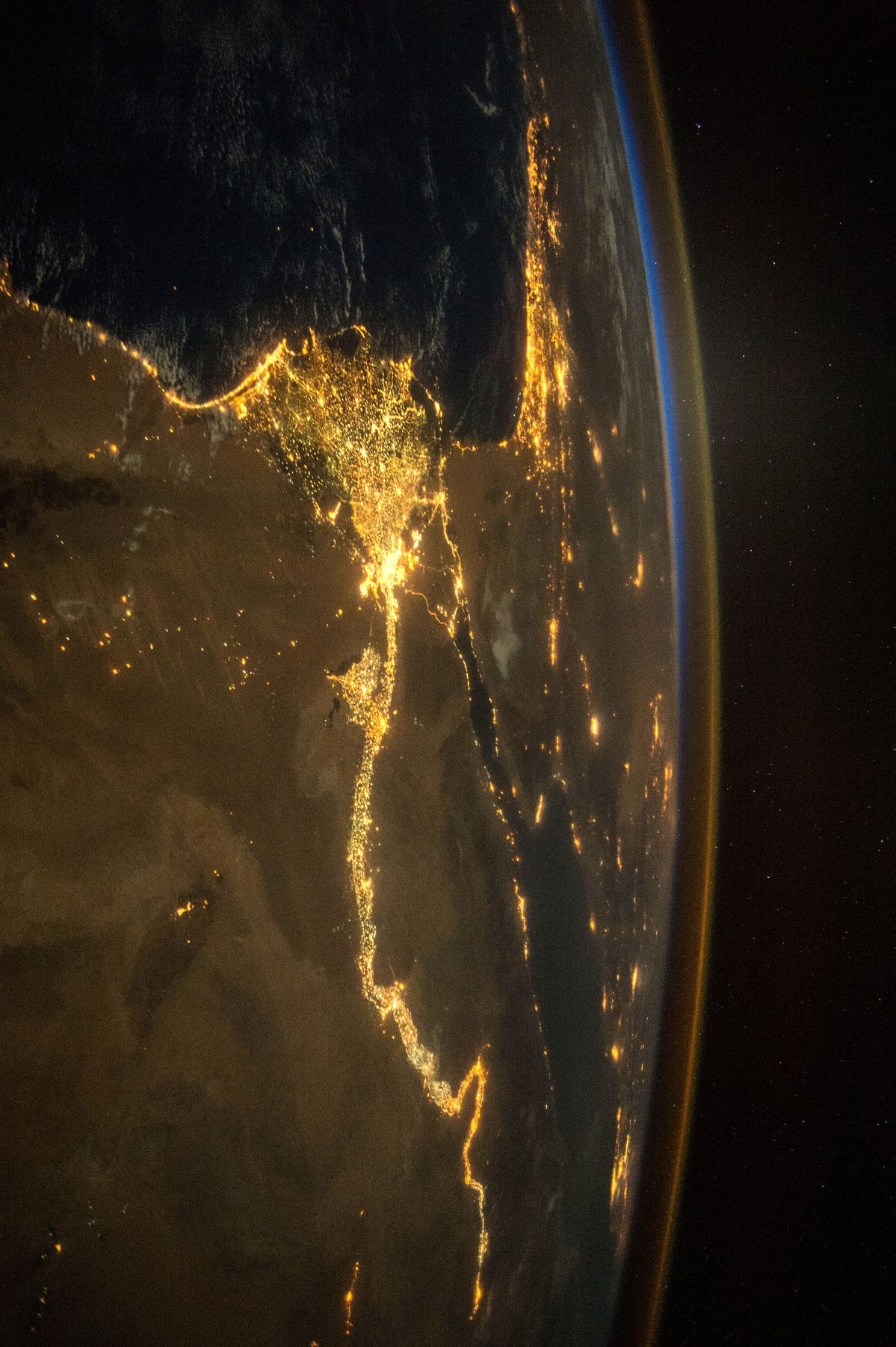
Why this is now solvable
The device is already in their hand. The rail is what's missing.
A decade ago, reaching the excluded meant building branches. Today it means giving an existing phone a connection and a settlement layer that doesn't depend on local banking.
84%
Of adults in low- and middle-income countries own a mobile phone
Three billion of them own a smartphone.
[1]$2.1T
Moved through mobile money in 2025
Roughly double 2021, across 2.3 billion registered accounts — proof that non-bank digital value transfer works at national scale.
[5]40%
Of adults in developing economies saved in an account in 2024
Up 16 percentage points since 2021 — the fastest rise in more than a decade. Demand is not the constraint.
[1]The pattern in the data is consistent: where a digital rail exists, people use it within a few years. The remaining exclusion sits where terrestrial infrastructure is absent, unreliable, or politically controlled — which is precisely the gap an orbital ledger and a solar connectivity box are designed to cover.
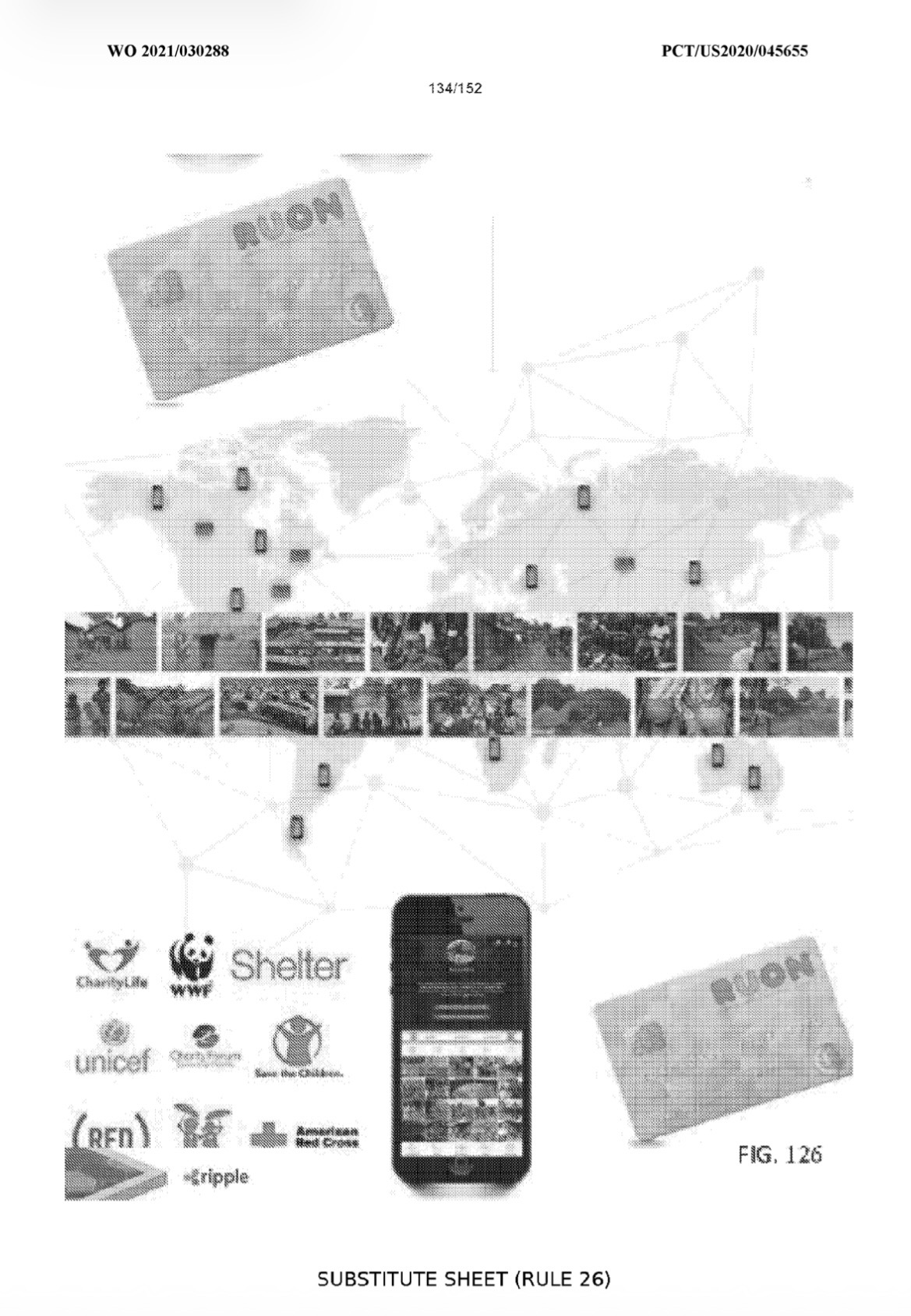
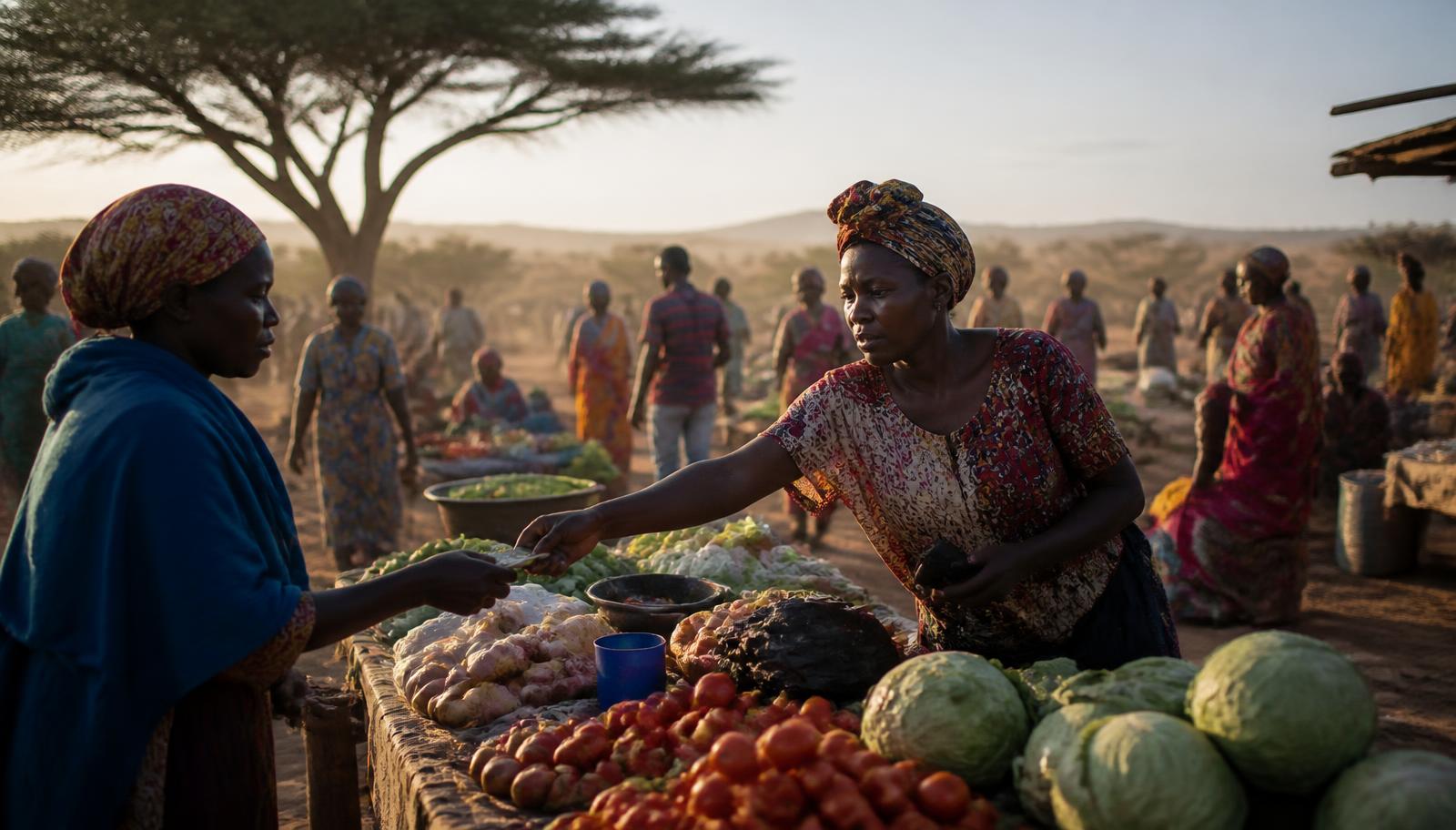
Fig. 126 — giving direct, from any donor to a named recipient.
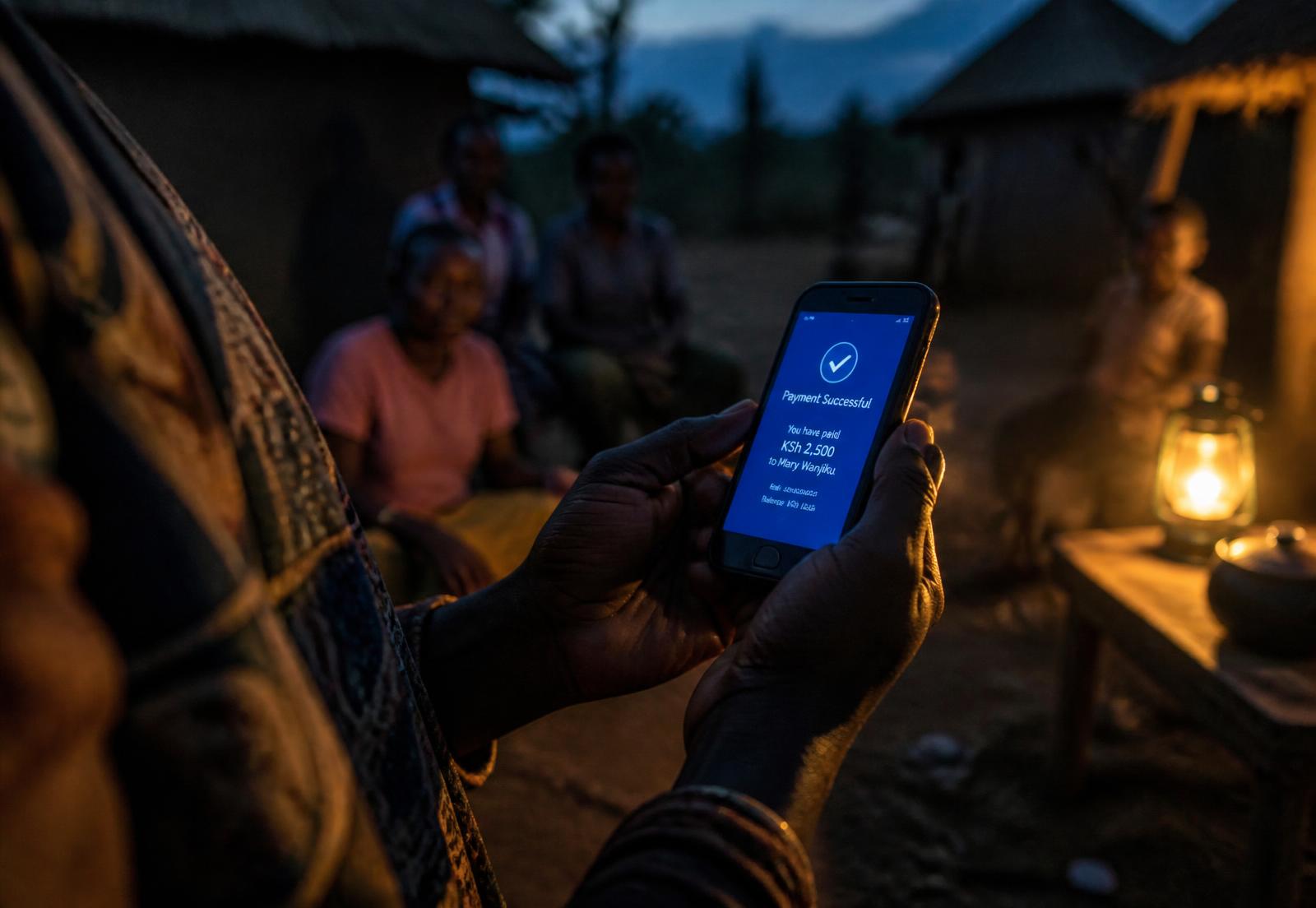
The filing sets out how charities, NGOs and individual donors connect to the same rail: a verified profile on the app, a card in the recipient's hand, and photo and video proof posted back showing exactly what the money bought.
What we measure
The impact metrics SovereignSky holds itself to.
Percentage of each donation that lands
Target: 97.5% or better reaching the recipient, verifiable on the orbital ledger rather than asserted in an annual report.
Cost of a cross-border transfer
Benchmark against the 6.36% global average and the UN's 3% target — settlement above the ground removes the correspondent-banking layer that most of that cost pays for.
Time from decision to spendable value
Measured in satellite passes, not banking days. Any point on Earth is reachable on each orbital cycle.
Coverage in places with no connectivity
Sites counted inside the 2.2 billion still offline, not sites that already had a signal.
Continuity through disruption
Uptime measured across the exact conditions — outage, conflict, disaster, capital control — that take terrestrial rails down.
Sources
Every number above, traceable.
Figures are drawn from primary datasets published between June 2025 and March 2026. They replace the older estimates carried in the 2022 SovereignSky whitepaper.
- [1]World Bank, The Global Findex Database 2025 (survey year 2024, published July 2025)
- [2]World Bank Group, Poverty and Inequality Update, Fall 2025 (extreme poverty line of $3.00/day, 2021 PPP)
- [3]World Bank, Remittance Prices Worldwide, Issue 54 (Q3 2025)
- [4]ITU, Measuring Digital Development: Facts and Figures 2025
- [5]GSMA, State of the Industry Report on Mobile Money 2026 (2025 data)
- [6]United Nations, Sustainable Development Goal target 10.c on remittance costs
Population-level figures are estimates and nowcasts produced by the cited institutions and are revised periodically; poverty counts changed materially in June 2025 when the World Bank moved to 2021 purchasing power parities and a $3.00-a-day extreme poverty line.
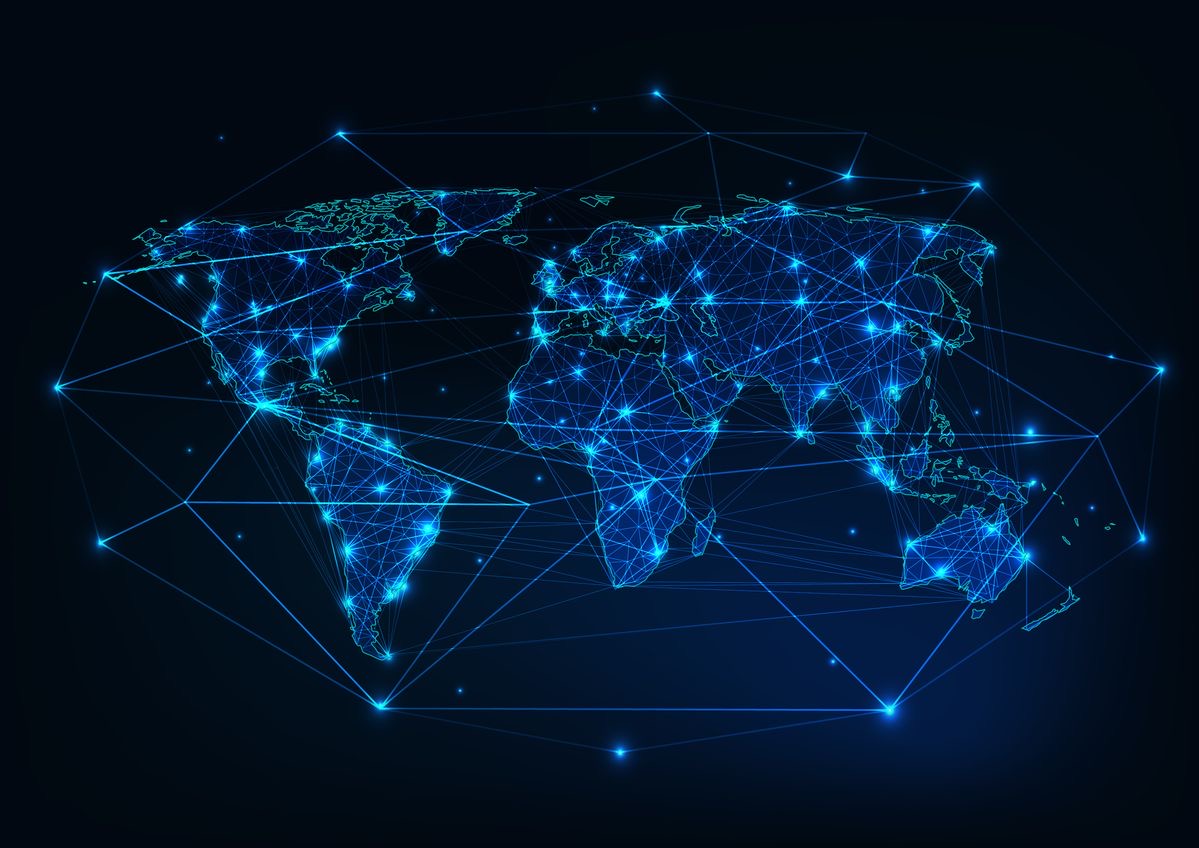
The lights you can see are the banked.
1.3 billion adults live outside the frame. This is who the constellation is for.