
Programme
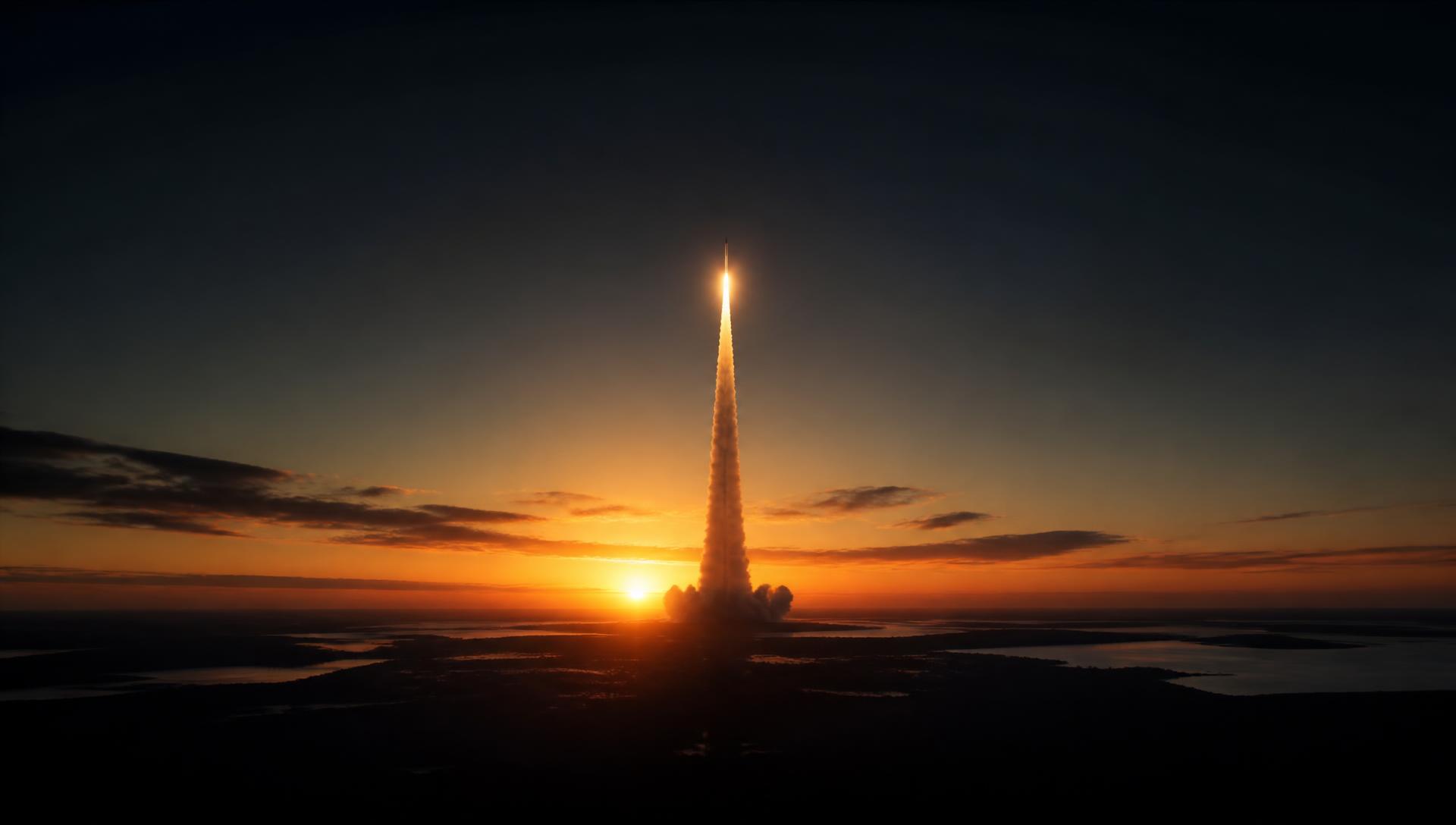
A ten-year programme, delivered in phases the market can verify.
Nothing here depends on a single leap. Each phase stands alone commercially, and each one makes the next cheaper and lower risk — from a proven orbital transaction to a sovereign orbital tier.
Phases
From proof in orbit to sovereign orbital capacity.
Phase 0 is history. Everything after it is planned, sequenced and costed.
Phase 0
Complete
Proof in orbit
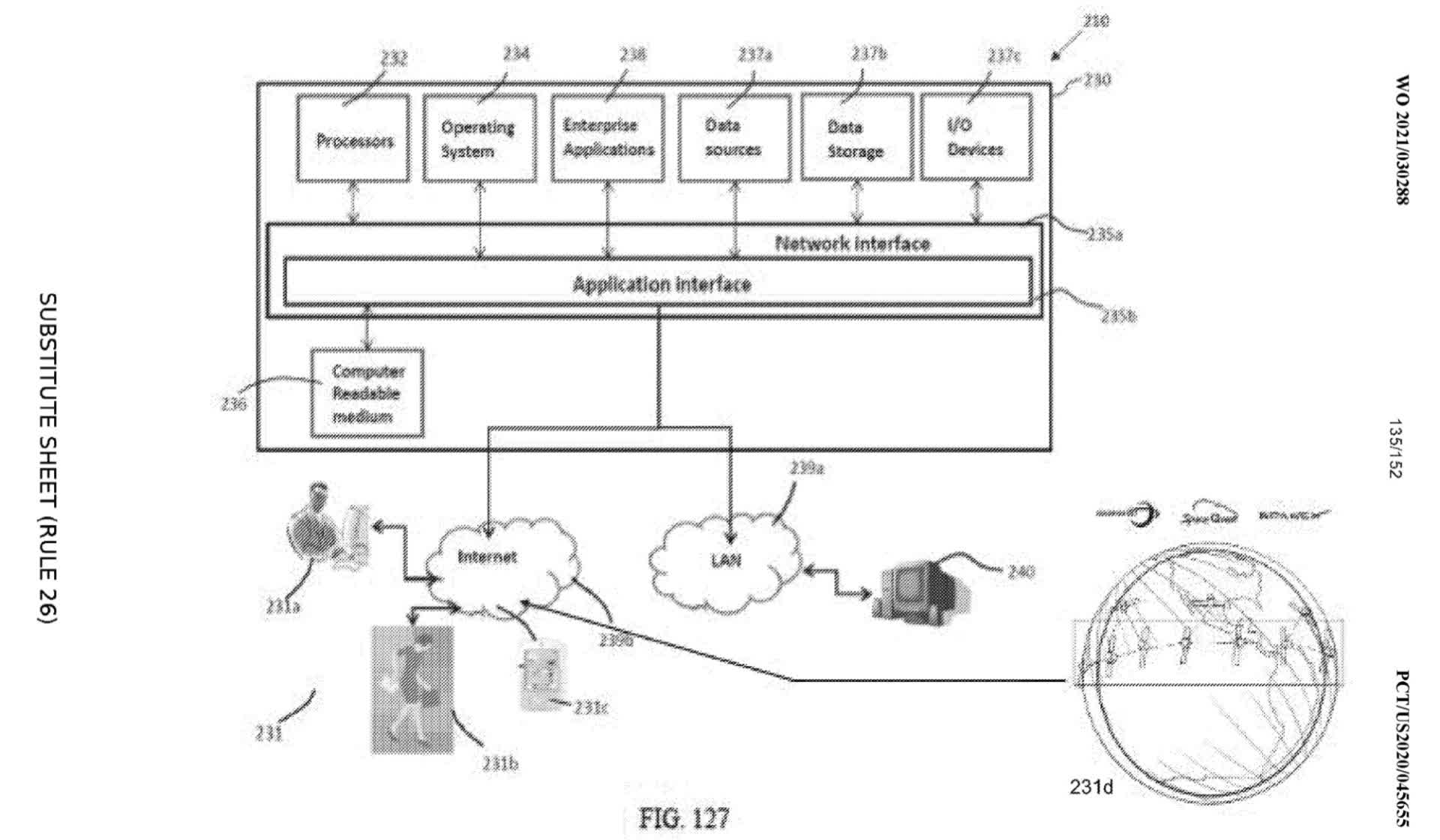
The first blockchain transactions signed from space (13 December 2020), the RUON App in the field, and a 365-page patent filing covering space-based ledger nodes. The hard question — can this work off-planet — is already answered.
- Orbital transaction demonstrated
- Patent WO2021030288A1 filed
- Field pilots with connectivity boxes
Phase 1
Foundations
PlannedSuperFile Cloud and Identity at institutional grade
Harden the vault and identity layer for government and financial-institution procurement: sovereign hosting regions, signed and revocable handles, third-party security assurance and standards alignment.
- Sovereign cloud regions
- Revocable identity handles
- Security assurance and audit trail
Phase 2
Rails
PlannedSuperFile Pay and the SpaceFile App at scale
Wallets, remittances, merchant acceptance and aid disbursement in launch markets, with licensed partners and regulated settlement where the law supports it. Every transfer produces a verifiable receipt.
- Licensed partner corridors
- Aid disbursement programmes
- Proof-of-spend receipts by default
Phase 3
The last mile
PlannedSuperFile Connect deployment
Community Connectivity Boxes rolled out across priority regions — solar powered, satellite backed, offline capable, running local AI for finance, education, health and disaster warning.
- Regional deployment partners
- Local-language AI at the edge
- Disaster resilience mode
Phase 4
Orbital tier
PlannedHosted nodes and orbital compute
Ledger nodes and AI inference hosted on third-party spacecraft and orbital data-centre payloads, plus ground stations and mission control — capacity in orbit without waiting on a full constellation.
- Hosted payload agreements
- Ground station network
- Space cybersecurity operations
Phase 5
Sovereign capacity
PlannedDedicated constellation and orbital data centres
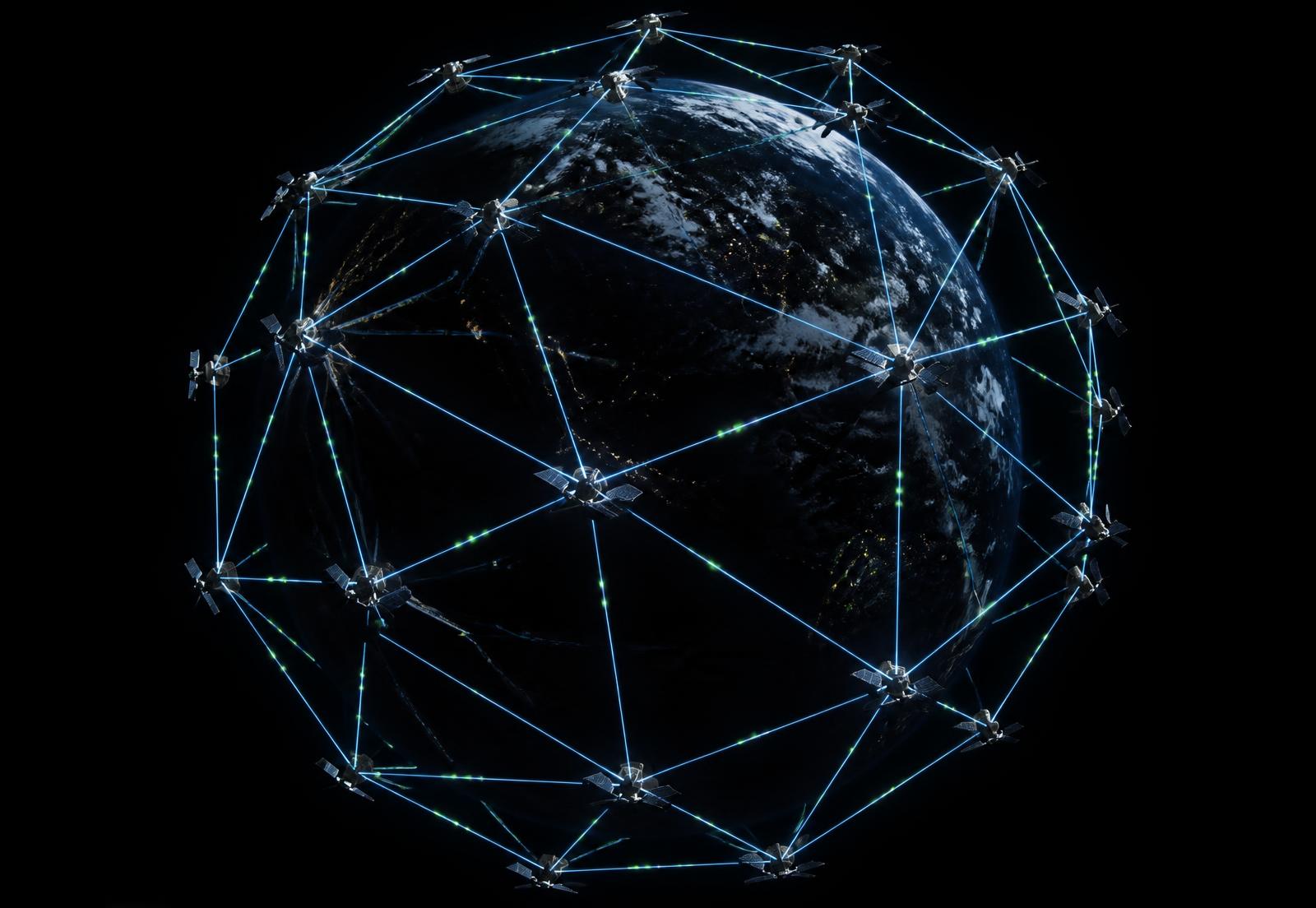
SuperFile Space operating its own satellites and orbital compute, providing continuous, jurisdiction-independent notarisation and services for institutional and government customers.
- Owned satellite capacity
- Orbital data centres
- Government-ready SLAs

Sequencing principle
Every phase must earn its own revenue before the next one launches.
Cloud and identity fund the rails. The rails fund the boxes. The boxes fund the orbital tier.

Partnerships and the cheapest path to orbit
We buy capacity before we build it.
Nothing in this programme requires SuperFile to fund a constellation up front. The patent already describes the low-cost route: ride existing spacecraft and existing networks, prove the revenue, and only own hardware once the traffic justifies it. Each option below is chosen because it is the least expensive way to get that capability into service.
Hosted payloads, not our own launches
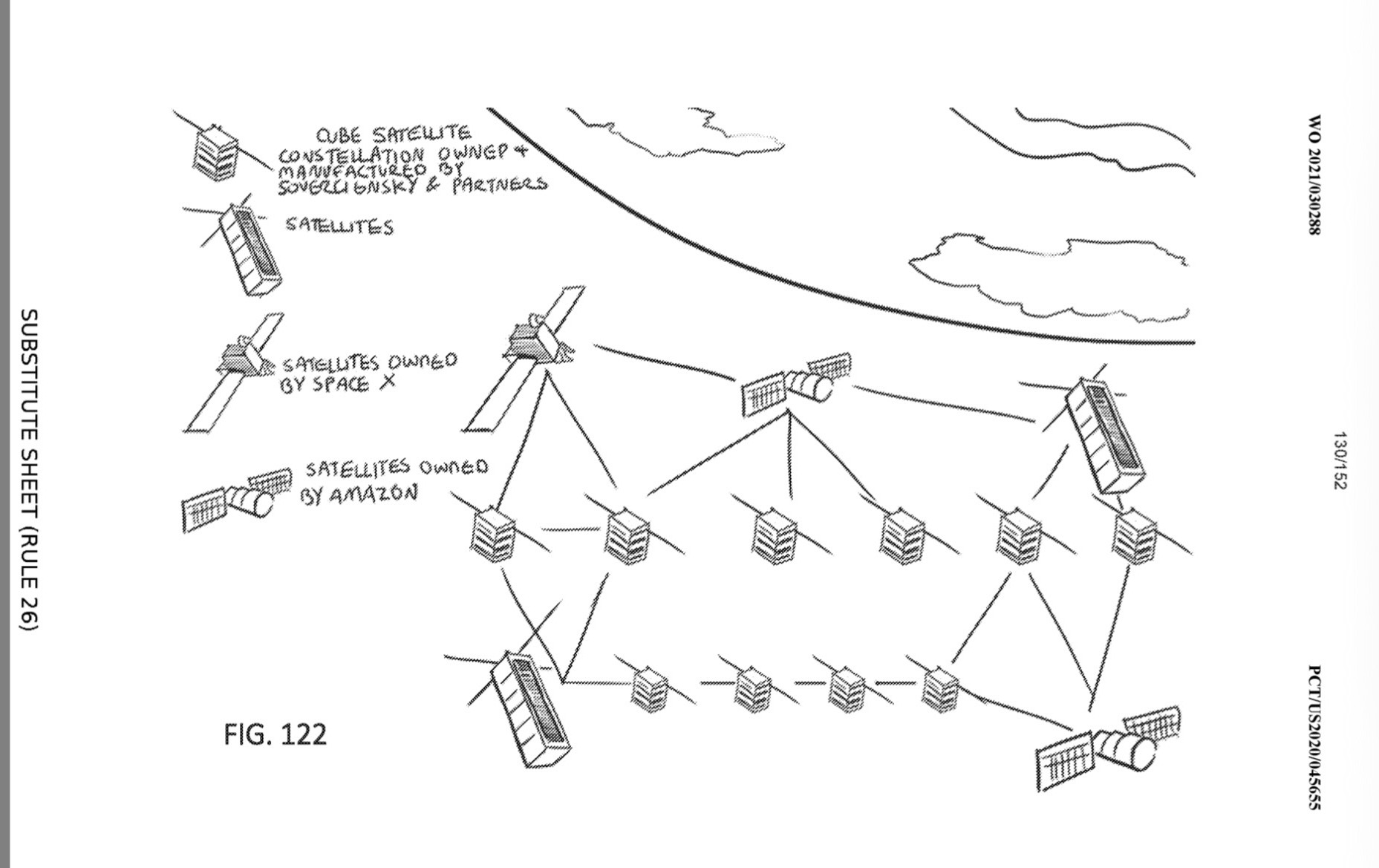
A ledger node is a small computer. Flying it as a hosted payload on a partner spacecraft — the model already proven with SpaceQuest on AprizeSat-5 — costs a fraction of a dedicated satellite programme and removes launch risk entirely. Owned cube satellites come only in Phase 5.
Cheapest option chosen: hosted payload
Rideshare launch and third-party backhaul
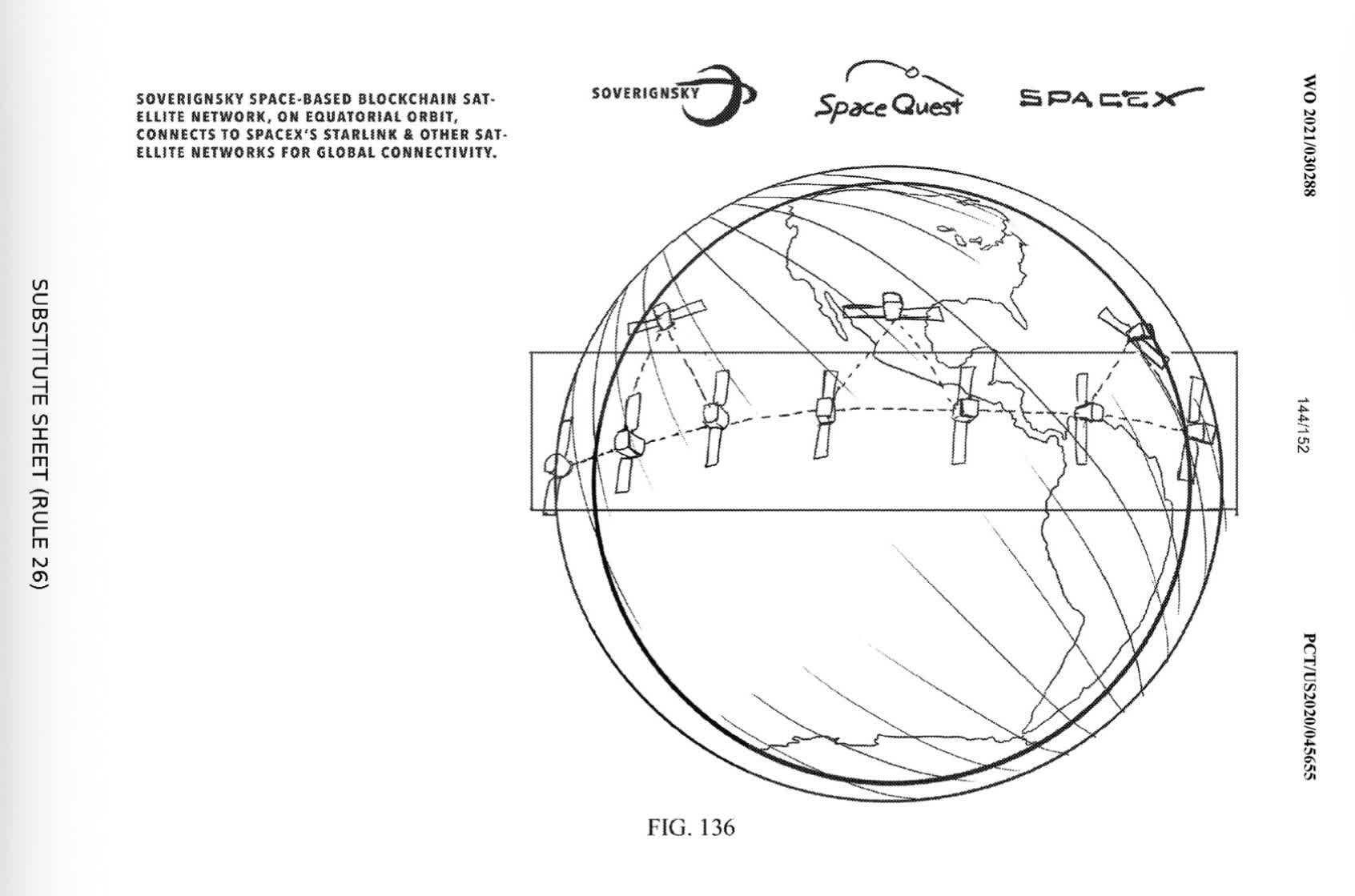
The filing puts the network on an equatorial orbit that interconnects with Starlink and other operators' constellations. Buying transit and rideshare slots (SpaceX Transporter-class) instead of dedicated launches keeps cost per node in the low hundreds of thousands rather than the tens of millions.
Cheapest option chosen: rideshare + bought transit
Ground stations as a service
Rather than building teleports, early phases lease pass time from commercial ground-station networks and run mission control from a software operations centre. Capital expenditure becomes an operating cost that scales with traffic, and additional regions can be added in weeks.
Cheapest option chosen: leased pass time
Licensed and humanitarian partners, not new licences
Banking, remittance and stablecoin settlement run through licensed partner institutions in each corridor, and aid programmes run with the agencies already funded to deliver them. Distribution and compliance are carried by partners who already have both, so SuperFile pays for reach instead of building it.
Cheapest option chosen: partner licences and rails
Partners of record
SpaceQuest (orbital hardware and the 2020 in-orbit signature), rideshare launch providers, commercial ground-station networks and licensed financial institutions in each corridor.
Interconnect, not competition
The network is designed to sit alongside Starlink, Kuiper and regional operators rather than replace them — connectivity is bought, ledger integrity is ours.
Own only what must be owned
Keys, the ledger, identity and the orbital nodes. Everything else — launch, backhaul, teleports, banking licences — is rented until scale makes ownership cheaper.

Next
What each phase needs to be funded.
The capital plan sets out indicative funding requirements, cost curves and the milestones that release each tranche.
Ten years of groundwork. One decade of build-out.
Phased, financed and auditable at every step.